Pack Light, Shop Smarter: Build Your Reusable Kit

Today we’re diving into building a reusable kit for package-free shopping, transforming errands into low-waste wins without sacrificing convenience. We’ll explore containers, bags, and tools worth carrying, how to prep them for tare, keep everything hygienic, and move confidently through bulk aisles, produce stands, and cafés. Expect practical guidance, real stories, and flexible setups that fit your lifestyle, so your kit is compact, durable, and always ready to help you refuse unnecessary packaging while staying organized, stylish, and prepared.

Start With the Essentials

{{SECTION_SUBTITLE}}
Bags and Carriers That Last
Choose one sturdy shoulder tote for capacity, a foldable backup that compresses to pocket size, and a backpack if you cycle or walk far. Reinforced handles and flat bottoms protect jars from tipping. Interior pockets help separate clean items from used ones. Consider a waterproof pouch for damp containers after café visits. When bags are comfortable and dependable, you will carry them routinely, turning spontaneous stops into easy, waste-free purchases instead of missed low-waste opportunities.

Containers and Jars for Bulk Finds

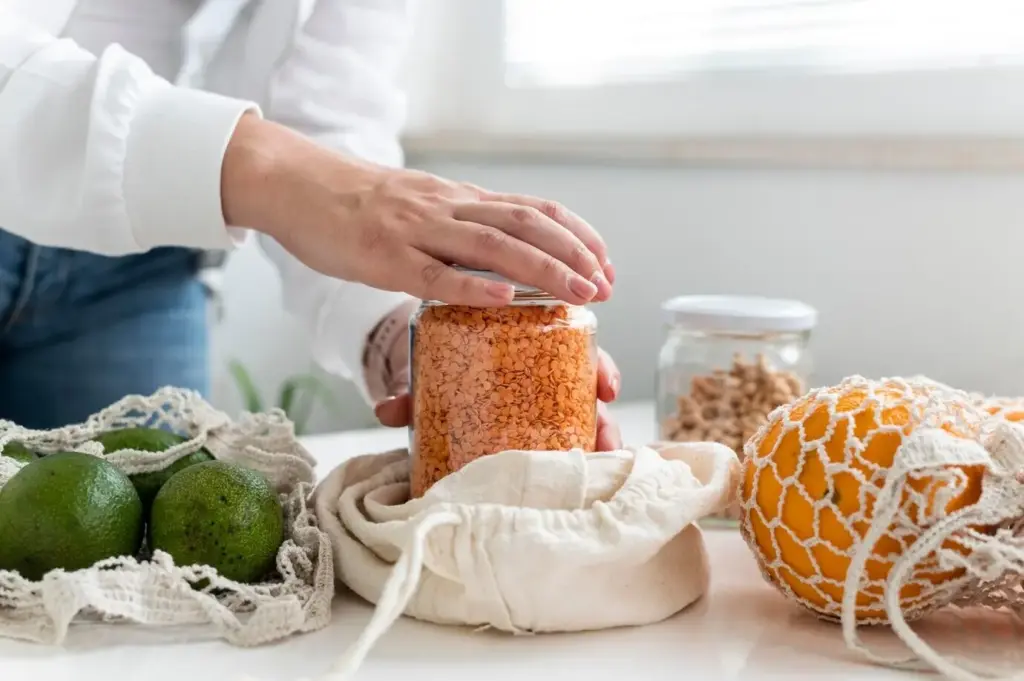
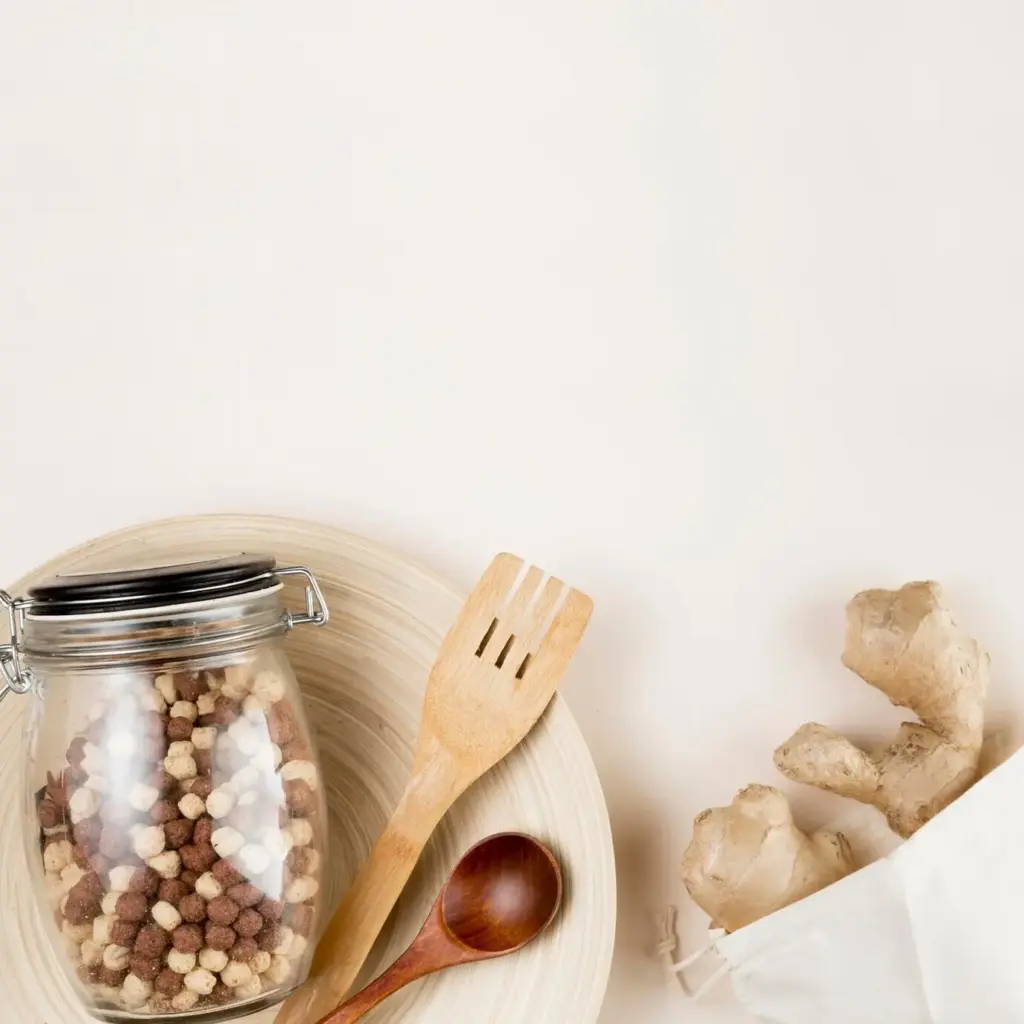
A few glass jars with leakproof lids handle liquids and delicate items, while lightweight stainless or silicone containers manage snacks, deli items, and leftovers. Carry a range of sizes to avoid overfilling or excess space. Pre-mark tare on lids with a grease pencil or permanent marker for faster checkout. Add a collapsible container for unexpected treats. Keep one wide-mouthed jar for grains or coffee beans. Reliable sealing prevents spills, protects freshness, and encourages repeat, package-free refills.

Design for Convenience and Hygiene

Your kit should feel clean, safe, and easy to maintain. Create a routine: pre-wash before restocking, air-dry thoroughly, then store in breathable pouches. Separate wet and dry items, and keep a sanitary barrier between used and ready-to-use containers. Respect food safety by avoiding porous materials for oily foods and labeling allergens clearly. When your system prevents cross-contamination and mess, you shop more confidently, and staff trust your preparation, making tare, refills, and custom orders smoother, faster, and more welcoming.

A Cleaning Routine That Sticks

Build habits around existing rhythms, like washing containers right after dinner or running a weekly dishwasher load dedicated to jars and lids. Inspect silicone seals and replace when worn to maintain airtight performance. Rotate two sets to avoid last-minute scrambles. Air-dry fully to prevent odors, mildew, or cloudy films. Keep a small brush for threads and corners. A consistent routine protects taste, boosts trust at counters, and ensures your kit stays ready for spontaneous, packaging-free visits.

Smart Separation of Wet and Dry

Use color-coded pouches or zippered bags to keep dry cloth produce bags away from damp containers. A lightweight, washable wet bag corrals used items after a café stop. Dedicated compartments reduce odors and simplify unpacking at home. Consider a rigid sleeve for fragile jars so they never rest beside damp cutlery. Clear, tactile organization is about more than neatness; it prevents cross-contamination, preserves freshness, and makes your kit feel inviting to grab, carry, and confidently present at checkout.

Tare Weights and Store Policies

Pre-weigh containers at home and mark tare clearly on lids or sides. Keep lids off during weighing if your store requires it. Know policies: some counters need manager approval, others offer pre-stamped tags. Be friendly and patient, especially when staff are learning. Offer to place items into your container yourself if rules require. Consistent, respectful communication builds goodwill, speeds future visits, and shows that package-free shoppers can be organized, hygienic, and easy to serve during busy rushes.

Packability and Everyday Carry

A Kit for Every Errand

Match what you carry to your destination. For a café, bring cup, lid, and a napkin. For bulk shopping, add jars, funnel, tape, and marker. For produce runs, prioritize lightweight mesh bags and one rigid container for fragile berries. Keep a pared-down set for spontaneous walks. Modular packing prevents overkill and ensures you always have exactly what you need, making package-free shopping feel effortless rather than a project requiring advance planning or heavy bags on every single outing.

Lightweight Materials That Pull Their Weight

Prioritize light yet durable materials like titanium utensils, silicone collapsible cups, and thin-walled stainless containers with reliable seals. Reserve heavier glass for liquids or aroma-sensitive goods. Choose mesh produce bags that barely register on scales. Keep lids interchangeable across several containers to reduce bulk. Weight matters when walking or cycling, and lower carry fatigue translates into consistent use. The more pleasant the carry, the more your low-waste habits stick, turning occasional experiments into long-term, comfortable routines you genuinely enjoy.

Organization You Can See and Feel

Transparent pouches let you spot missing lids instantly. Tactile labels help you distinguish salt from sugar without opening jars. Color-coded mesh bags guide you to onions versus citrus. Elastic bands corral straws and markers. A slim clipboard pocket protects receipts and tare notes. This visual and tactile logic reduces checkout fumbling, eases staff interactions, and shortens your time in line. Organization transforms a collection of items into a friendly system that supports confidence, speed, and less packaging everywhere you shop.
Real-World Stories and Rookie Mistakes

Experience shapes better kits. We’ve all tightened a lid only to discover it wasn’t aligned, or used a flimsy bag for apples and regretted it. Learning from missteps helps you refine choices, anticipate store quirks, and prepare respectful scripts for conversations with new staff. Celebrate small wins too: a deli that loves your labeled containers, or a market vendor who tared jars in advance. These moments build momentum and reinforce why your kit matters for convenience, savings, and waste reduction.

Costs, Savings, and Planet Impact

While a reusable kit requires an initial investment, the long-term math favors your wallet and the environment. Bulk staples often cost less, cafés may offer bring-your-own discounts, and reusable gear lasts for years. Track avoided packaging by counting wrappers and containers you no longer bring home. Multiply that habit by months and neighbors inspired by your example. The financial savings, smaller bins, and lower emissions build a powerful feedback loop, making it easier to maintain and proudly share your approach.

Upfront Investment, Long-Term Wins

Start with what you already own: jars from pasta sauce, an old lunchbox, or a sturdy tote. Buy only gaps you cannot fill. Over time, savings from bulk goods, café discounts, and fewer impulse packaged items offset costs. Durable gear reduces breakage cycles. When purchases are deliberate and incremental, your budget stays steady while your habit grows. The result is a kit that pays for itself and feels earned through real usage rather than a one-time shopping spree labeled as sustainability.

Waste You Don’t Create

Count how many clamshells, disposable cups, and plastic bags you avoid in a week, then in a month. Tally volume, not just pieces, to see true bin reductions. Photograph your smallest trash week for motivation. Share progress with friends or local groups to spark ideas. Prevented waste is invisible by nature, so documenting results helps you appreciate impact, refine your kit, and continue confidently, even when progress feels quiet or gradual during busy seasons and imperfect shopping routines.

Community Ripple Effects

Visible, courteous reuse inspires others to try. A cashier who sees many labeled containers may suggest a tare station. A café might adopt a borrow-a-cup program. Friends ask for your packing list and borrow extra bags. These ripples matter because infrastructure follows behavior. When people witness systems working in real life, they believe change is possible. Your kit becomes a traveling demonstration that convenience and low waste can coexist, improving experiences for everyone while reducing trash and operational headaches.

Make It Yours and Share the Journey

Personalization keeps your kit joyful and memorable. Choose patterns you love, label jars with friendly icons, and add a patch that sparks conversation at checkout. Track refills in a notes app and celebrate milestones with treats you genuinely enjoy. Invite friends to try a low-waste errand together and exchange tips. If this guide helped, subscribe for future ideas, leave questions, or share your configuration. Together, we refine systems that fit real lives, keeping convenience, hygiene, and style front and center.
Mexifonurerenilivo
Privacy Overview

This website uses cookies so that we can provide you with the best user experience possible. Cookie information is stored in your browser and performs functions such as recognising you when you return to our website and helping our team to understand which sections of the website you find most interesting and useful.