Stock Up, Waste Less: Build a Pantry That Lasts
Today we focus on bulk buying strategies for a zero-waste pantry, turning big sacks and refill stations into everyday allies. Learn how to plan portions, choose materials that protect freshness, and store smart so every grain finds a purpose and your budget stretches further. Expect practical checklists, small stories from real kitchens, and gentle nudges that help you start now, keep going, and share your wins with a growing, planet-loving community.
Map Your Pantry and Meals
Start by listing your staple meals and ingredients, then sketch shelf zones for grains, legumes, baking supplies, and snacks. This visual guide stops accidental double buys and helps you right-size quantities. Include weekly favorites, occasional treats, and future experiments. When bulk orders align with planned dishes, nothing lingers forgotten. You’ll love the relief of opening a cabinet where everything has a place and every jar has a planned destiny.
Set Purchase Cadences and Minimums
Decide how often you’ll restock staples based on real consumption, not guesswork. Create simple minimums—for instance, when a jar drops below one-third, add it to your next refill run. Pair this with a monthly or biweekly cadence that fits your calendar. Predictability prevents panic purchases and wasteful overstocking. Over time, these routines reveal true habits, helping you refine quantities and save money without sacrificing variety, flavor, or spontaneity in your cooking.
Avoid Duplication With a Simple Audit
Before shopping, quickly audit your jars and bins using a flashlight and a notepad or phone checklist. Note what is genuinely low, what can wait, and what needs using first. Align the list with planned meals to ensure purchases immediately serve upcoming dishes. This stops forgotten bags from hiding in corners, reduces budget drift, and keeps your shelves dynamic. You’ll buy exactly what supports joyful cooking and thoughtful, waste-free living.


Find Your Best Sources and Partners
Where you buy matters as much as what you buy. Comparing co-ops, refill shops, ethnic markets, and farmer alliances reveals surprising savings and packaging wins. When relationships are warm, managers will weigh your containers, order special items, and alert you to fresh shipments. Combining sources—like a monthly co-op order plus quick neighborhood refills—balances price, quality, and convenience. Together, these partnerships create a resilient, supportive network that keeps your pantry humming with minimal waste and maximum flavor.
Choose Durable, Safe Materials
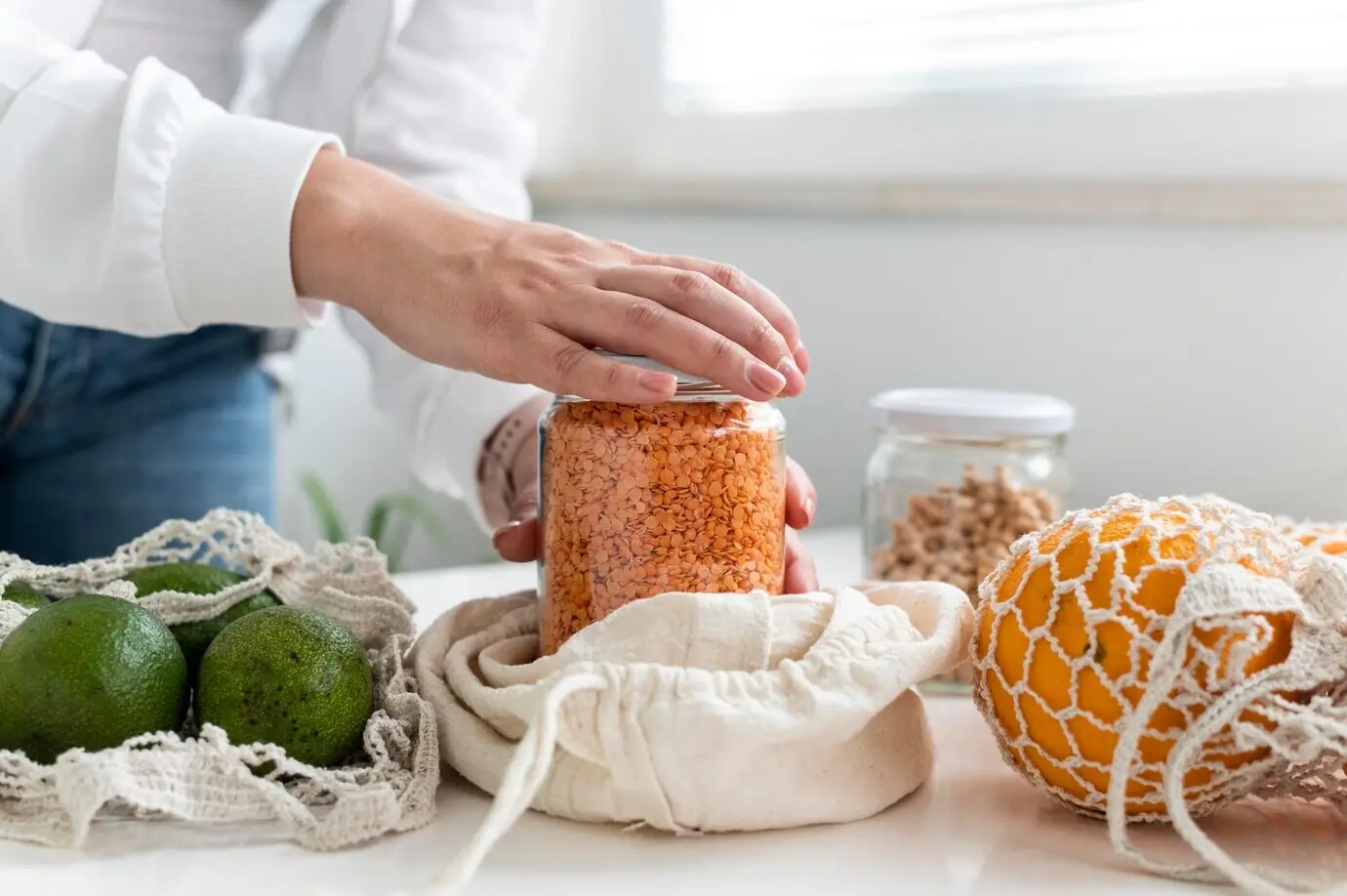
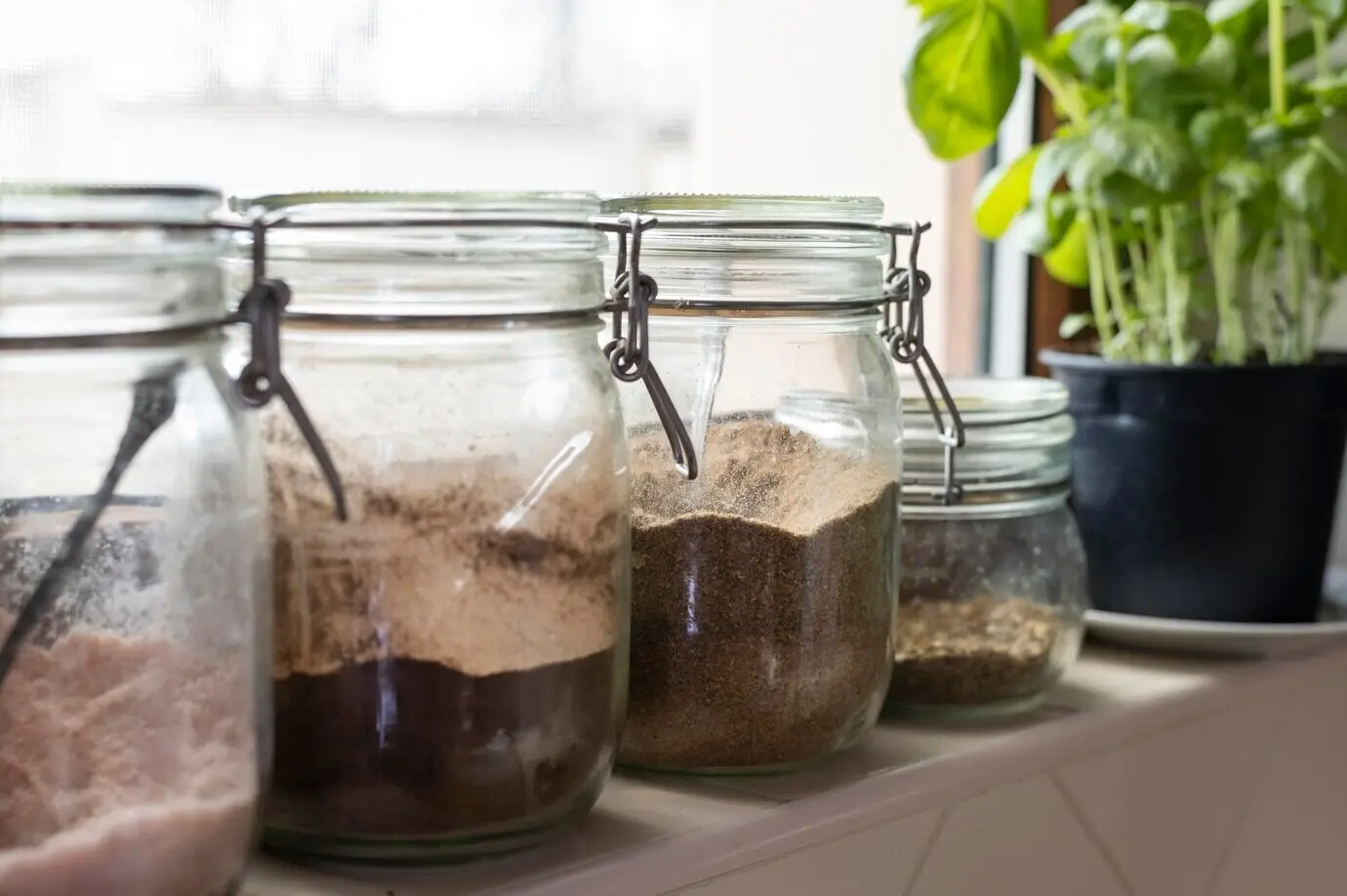
Select glass for visibility and neutrality, stainless steel for durability and light protection, and certified food-grade plastics for lightweight portability. Prioritize lids with tight gaskets and easy-clean parts. Match container sizes to your actual purchase cadence, not aspirational quantities. Consider square footprints for space efficiency and wide mouths for scooping. By aligning materials with use, you extend shelf life, prevent spills, and build a system that feels dependable during hectic weekdays and leisurely weekend cooking.

Labeling That Prevents Guesswork
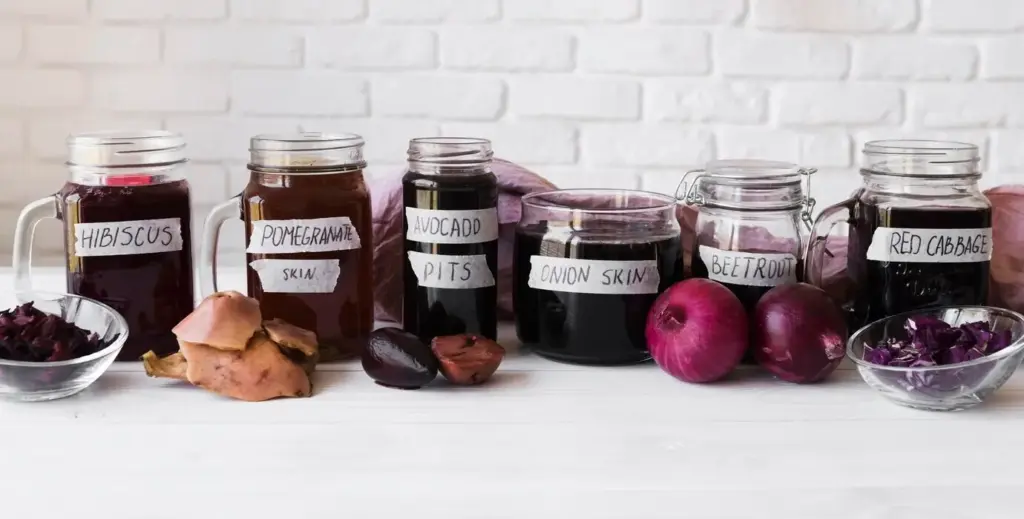
Clear labels turn a collection of jars into a trustworthy library. Include product name, purchase date, source, and cooking ratio if helpful. Use washable markers or removable labels for flexible reuse. Color codes can group categories—baking, legumes, grains—so you see patterns instantly. Add a small “use first” sticker to containers nearing rotation. When the right information sits on the lid, you save time, avoid stale remnants, and preserve the delightful momentum of waste-free cooking.
Guard Against Moisture, Light, and Pests
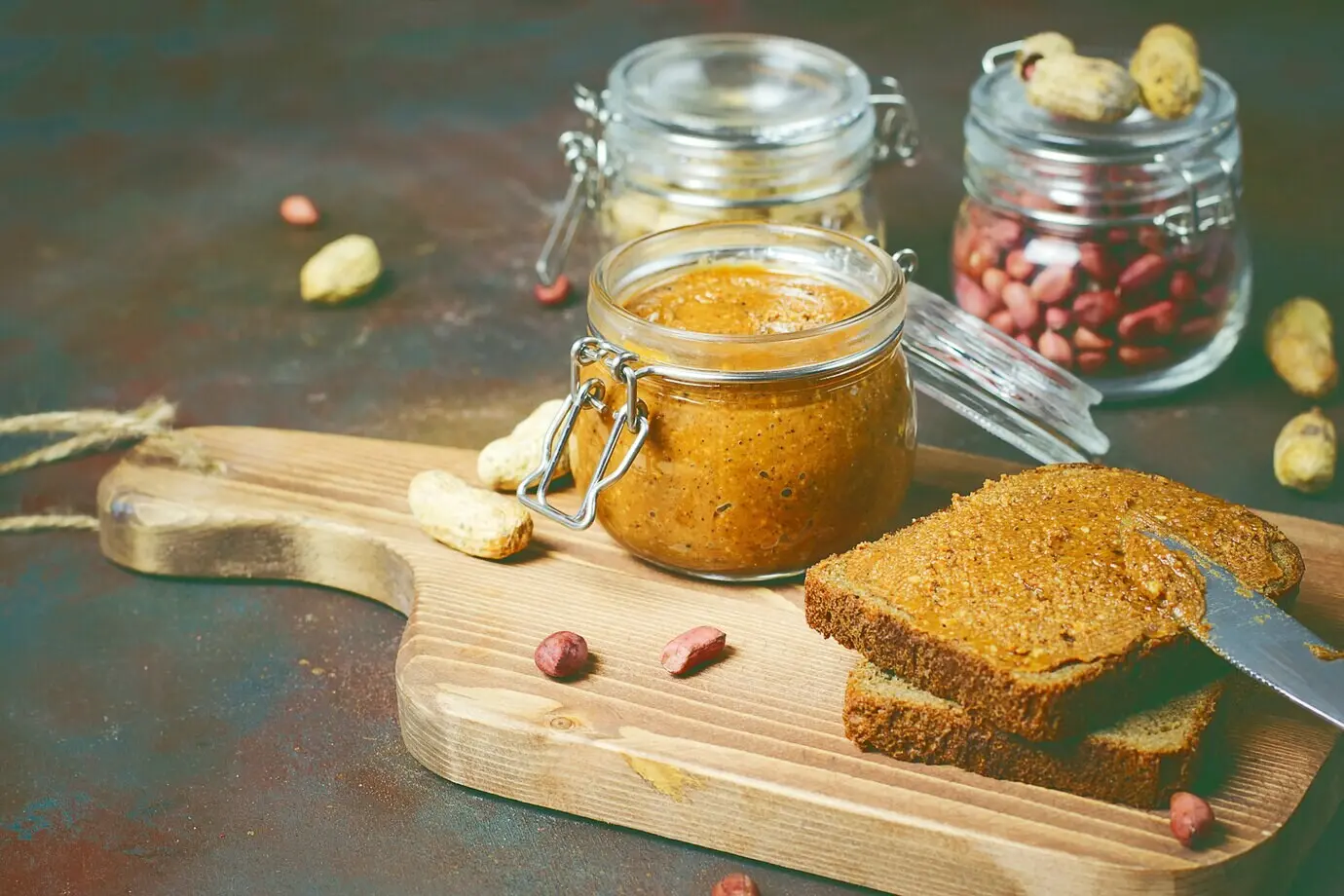
Protect texture and flavor by placing sensitive items away from heat and sunlight, sealing lids fully, and using desiccant packs where appropriate. For longer storage, consider opaque containers or dark cupboards. Freeze nuts and whole grains you cannot finish promptly. Store aromatic items in dedicated jars to prevent cross-flavoring. A quick monthly inspection catches intruders early and reassures you that everything is safe. These habits safeguard investments, reduce loss, and keep cooking joyful and spontaneous.
Assemble a Refill Kit You Love
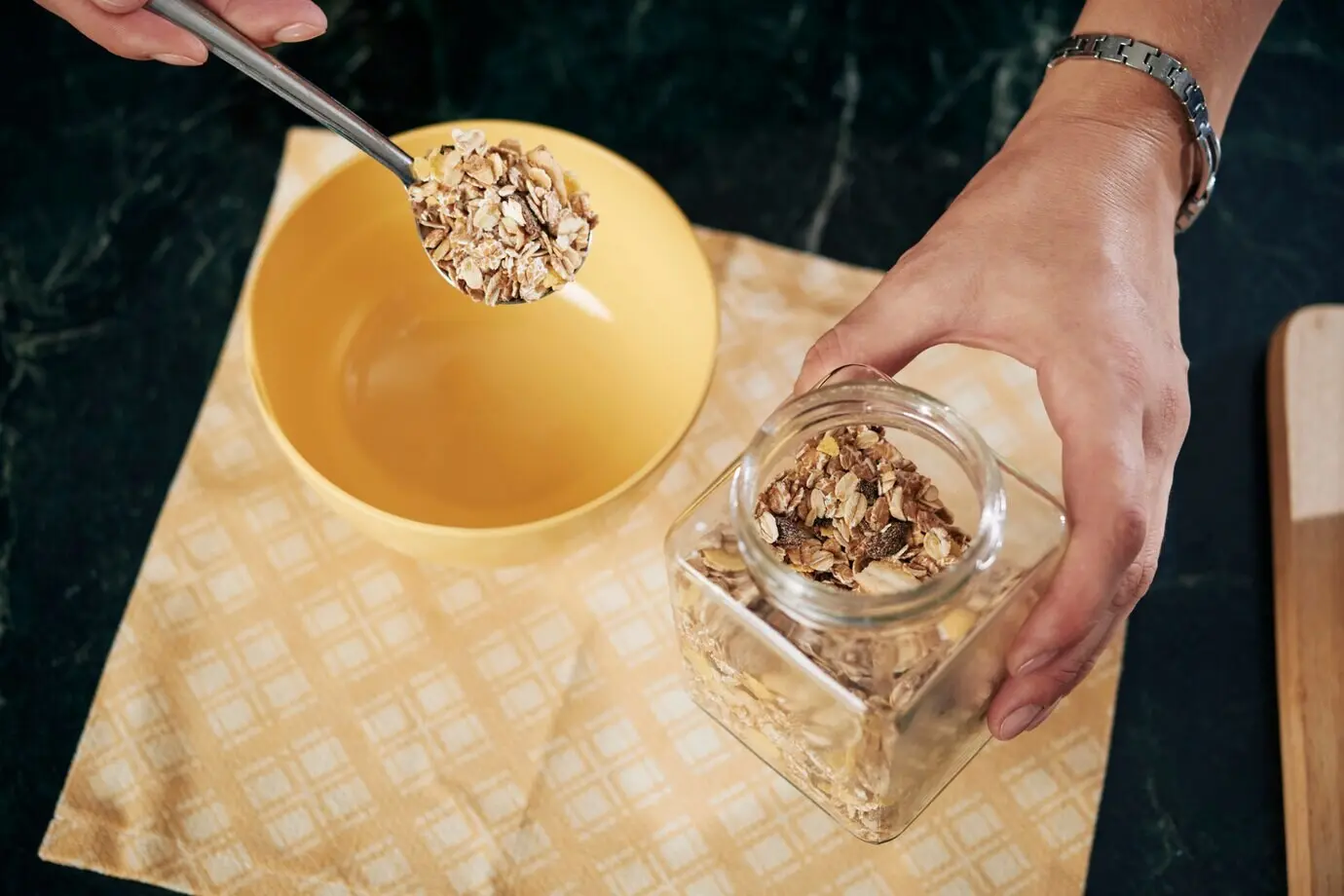
Pack a few versatile jars, lightweight produce bags, a foldable box, measuring scoops, a pen, labels, and a small towel to handle inevitable crumbs. Keep this kit near the door so trips happen effortlessly. Add a backup container for unexpected finds and a dedicated pouch for receipts. When your tools live together and look inviting, errands feel like a pleasant ritual rather than a chore, and your zero-waste intentions translate into consistent, reliable action every single week.
Master Tare Weights and Scales
Jot each container’s empty weight on the bottom or lid, then confirm store procedures for pre-weighing. Practice at home to remove any uncertainty. If a register is busy, your confidence reduces delays and builds trust with staff. Double-check scales for accuracy and politely request a reweigh when needed. This small skill protects your budget, ensures fairness, and keeps transactions smooth so you leave with accurate totals, intact momentum, and a smile that encourages your next refill.
Make Transport Smooth on Foot, Bike, or Car
Stabilize jars upright with towels, cardboard dividers, or reusable crates. On a bike, use panniers with firm bases and elastic straps to reduce rattling. In a car, anchor boxes against seatbacks and avoid stacking heavy items on delicate produce. Plan routes to minimize bumps and sudden stops. A few minutes of thoughtful packing saves time, prevents breakage, and keeps lids tightly sealed, so your groceries arrive home calm, safe, and ready for beautiful storage.
Shelf Life, Freshness, and Food Safety
Freshness crowns bulk buying with real rewards: richer flavor, better nutrition, and fewer forgotten bags. Rotate stock with a simple first-in, first-out rule. Keep oils and nuts cool, grind spices in small batches, and portion grains to match weekly meals. When large bags arrive, decant into airtight containers and freeze extra if needed. Respecting storage timelines turns abundance into reliability, ensuring every scoop tastes vibrant and nothing languishes at the back of a dark shelf.
Money Smarts and Mindset That Stick
Bulk buying can shrink costs without shrinking joy. Track unit prices to see real savings, pause before impulse purchases, and celebrate progress to build habits that actually last. A supportive mindset reframes preparation as care for future you. Small wins—like emptying a jar exactly on schedule—deserve applause. Share lessons with friends, invite feedback, and subscribe for more community tips. Together we grow wiser, eat better, and keep more money for what truly matters most.
All Rights Reserved.