Turn Your Pantry Into a Calm, Clever Space

Today we explore organizing your pantry with upcycled containers, transforming jars, tins, boxes, and bottles into beautiful, practical storage. Learn quick wins, sustainable habits, and family-friendly ideas that save time, money, and waste while making every shelf a joy to use. Share photos of your upcycled solutions and subscribe for weekly pantry prompts that keep momentum, spark creative reuse, and celebrate small wins together.

Start With a Simple Audit

Gather, Empty, and Measure

Bring a laundry basket and two boxes: keep and donate. Empty every shelf, then measure height, depth, and door clearance. Noting dimensions ensures repurposed jars, tins, and cartons slide in safely, preventing toppling towers and frustrating dead space that wastes time during weeknight cooking.

Group by Use and Refill Rhythm

Bring a laundry basket and two boxes: keep and donate. Empty every shelf, then measure height, depth, and door clearance. Noting dimensions ensures repurposed jars, tins, and cartons slide in safely, preventing toppling towers and frustrating dead space that wastes time during weeknight cooking.

Spot Upcycling Opportunities

Bring a laundry basket and two boxes: keep and donate. Empty every shelf, then measure height, depth, and door clearance. Noting dimensions ensures repurposed jars, tins, and cartons slide in safely, preventing toppling towers and frustrating dead space that wastes time during weeknight cooking.

Choosing Containers You Already Own

Instead of purchasing new bins, scout your recycling and cupboards for sturdy, closable options that suit ingredients and shelf sizes. Think repurposed pasta sauce jars, cookie tins, cocoa canisters, spice bottles, shoeboxes, and milk jugs. When selected intentionally, these common items outperform pricey sets while reducing waste.

Glass Jars and Bottles

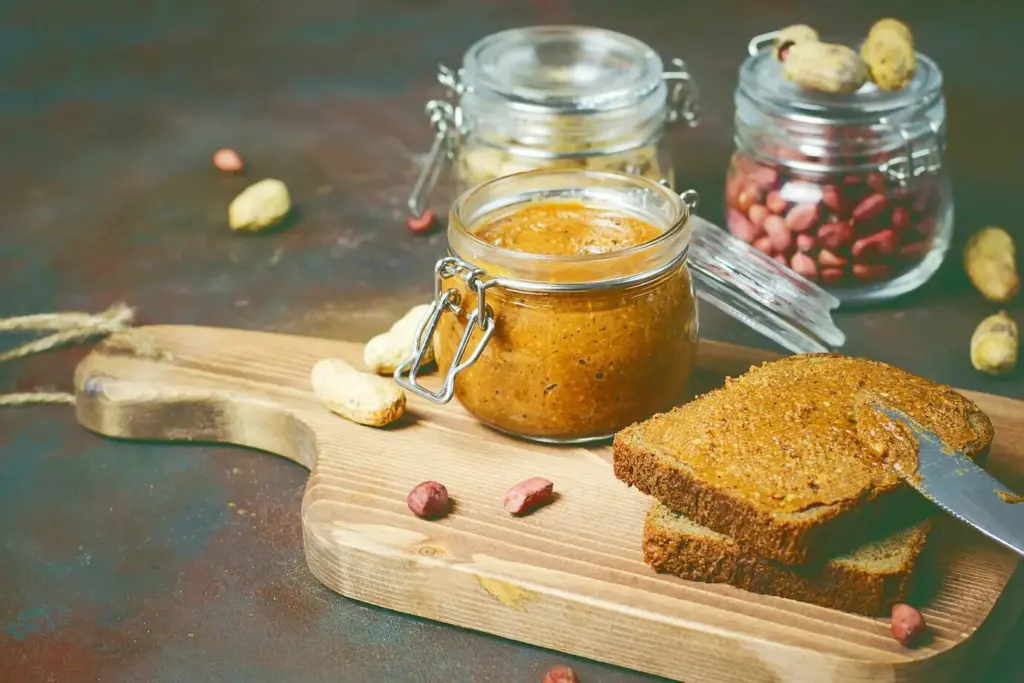
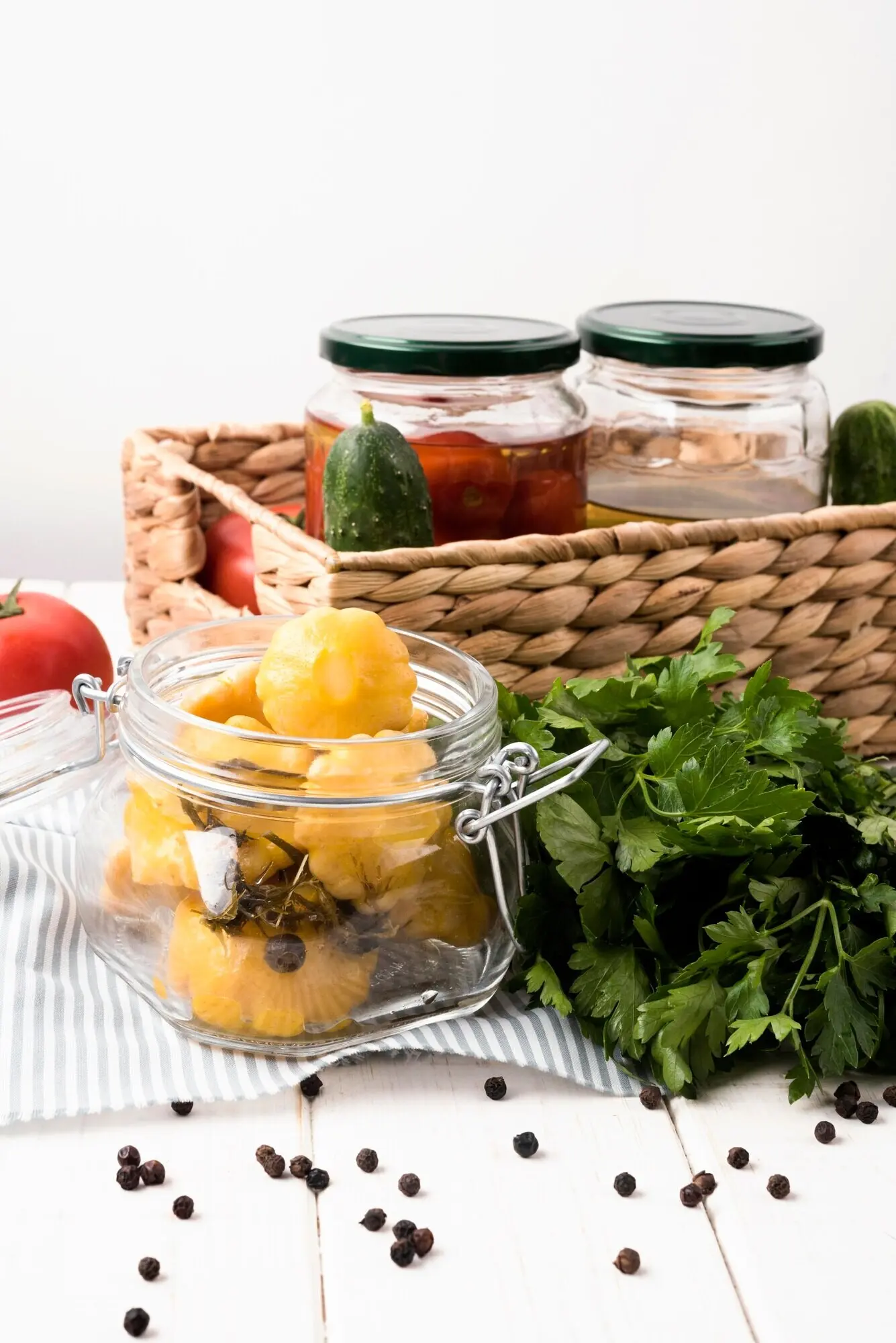
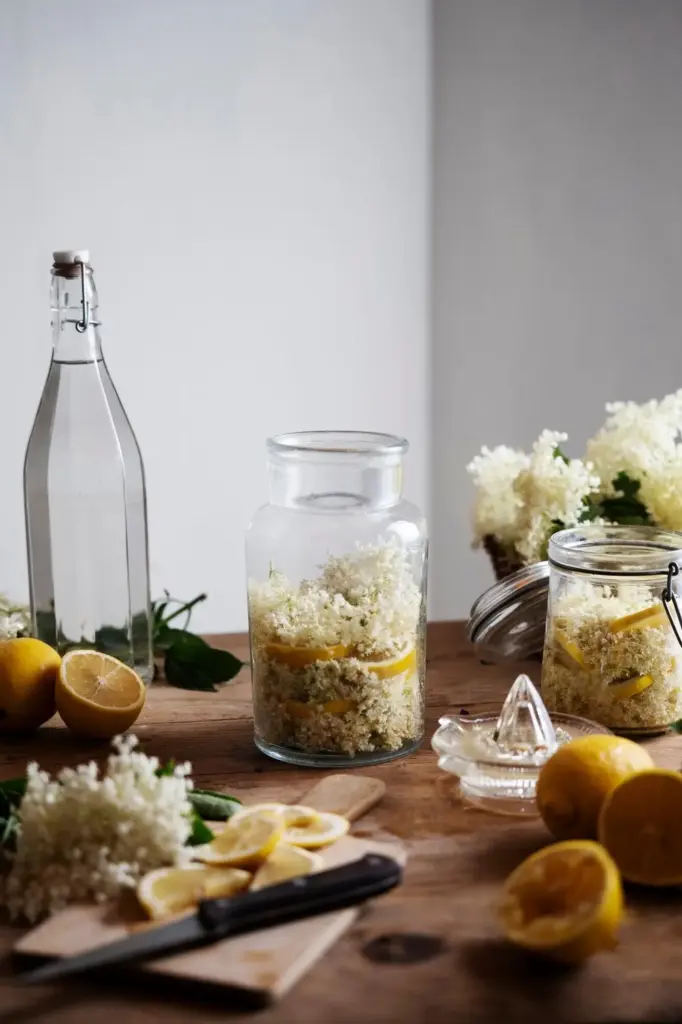
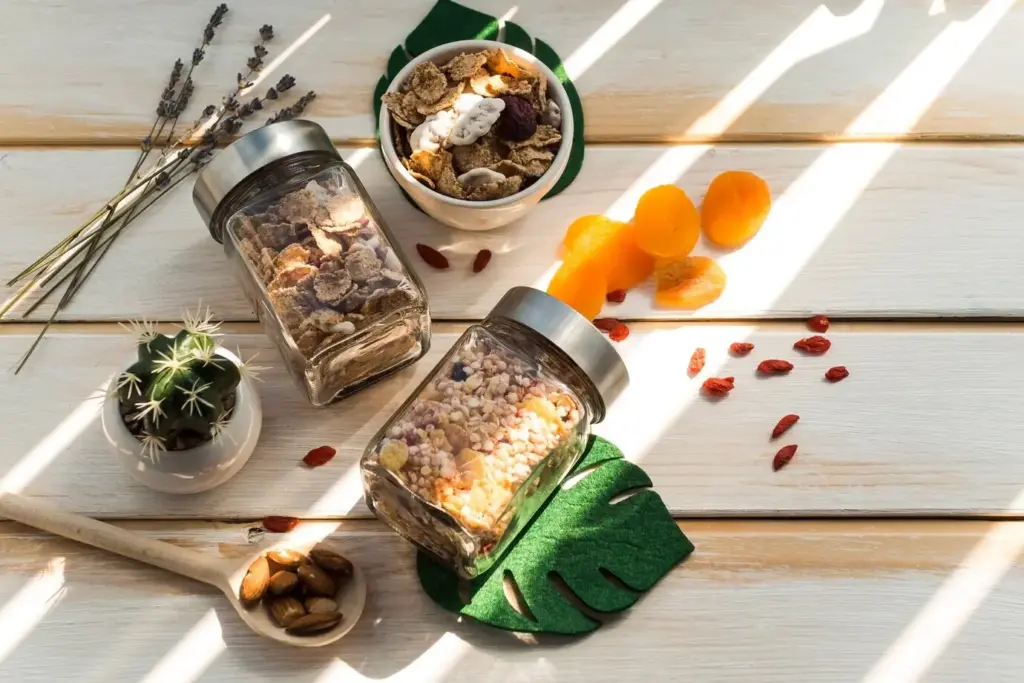
Clear glass makes inventory visible at a glance and protects flavors from lingering plastic smells. Choose wide-mouth jars for oats, beans, and flour; smaller bottles for seeds and spices. Add silicone rings or parchment under lids for better seals, then label boldly on the smoothest side.

Metal Tins and Cans

Tea tins and cookie boxes offer light protection and stack beautifully. Line interiors with food-grade parchment if you are cautious about coatings. Use them for snacks, tea sachets, or baking tools. Magnets on the sides hold scoops or mini labels, turning vertical surfaces into helpers.

Cardboard Boxes and Cartons

Trim cereal boxes or shoe cartons into drawer-style bins for packets and bars. Reinforce edges with tape and cover with leftover paper for a tidy look. Milk cartons corral chopsticks or bag clips. Add pull tabs made from ribbon to make grabbing items comfortable.

Labeling That Actually Gets Used

Labels should clarify, not complicate. Choose a single style you can reproduce quickly, then commit. Include ingredient names, cooking ratios if helpful, and the date you decanted. Durable labels paired with consistent placement create habits, so everyone returns groceries to the right spot without reminders.

Layout Strategies for Busy Kitchens

Prime Real Estate for Daily Staples
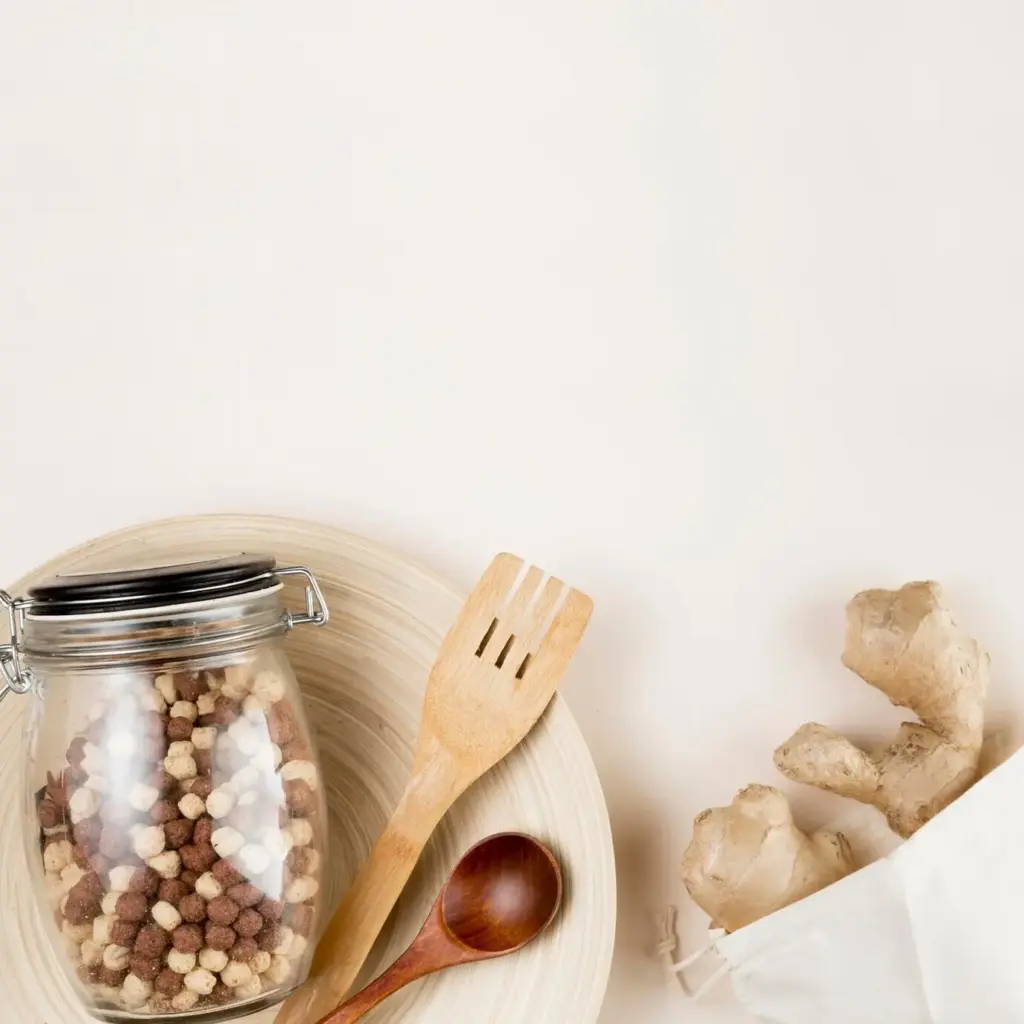
Eye-level shelves deserve what you touch every day: coffee, rice, cereal, nut butter, and quick snacks. Decant into easy-pour containers and give each a defined parking spot. The less motion required, the more likely the system survives Monday mornings.

Zones for Projects and Bulk

Create a baking project bin and a meal-prep caddy using shoe boxes or tins. Store flour, sugar, spices, and tools together so you can grab and go. Keep bulk refills up high, labeled clearly, to refill working jars without crowding.

Safety and Stability First

Test stacks by nudging gently. If a container wobbles, adjust the arrangement or swap for a wider base. Keep glass away from high-traffic kid zones. Non-slip liners cut from old placemats tame sliding surfaces and protect shelves from condensation rings.

Cleaning, Food Safety, and Maintenance

Upcycling shines when hygiene is handled thoughtfully. Remove wax seals, lingering aromas, and labels thoroughly. Ensure materials suit dry goods and avoid reactive metals for acidic foods. Build simple routines for washing, drying completely, and rotating stock, so your beautifully organized pantry remains trustworthy and fresh.

Design Flair Without Buying New

Function comes first, but personality makes the space a pleasure. Mix amber bottles with clear jars, matte tins with glossy labels. Borrow ribbons, washi scraps, or chalk paint from craft drawers. With thoughtful consistency, repurposed pieces feel intentional, welcoming, and surprisingly stylish beside everyday groceries.
Mexifonurerenilivo
Privacy Overview

This website uses cookies so that we can provide you with the best user experience possible. Cookie information is stored in your browser and performs functions such as recognising you when you return to our website and helping our team to understand which sections of the website you find most interesting and useful.