Decode Sustainable Grocery Packaging Labels with Confidence

Today we explore how to read sustainable packaging labels for groceries so you can shop with clarity, reduce waste, and support responsible brands. You will learn to recognize credible certifications, separate helpful instructions from vague marketing, and make practical choices that match your local recycling and composting options. Bring your curiosity, a dash of skepticism, and your shopping list. By the end, you will feel ready to act, share tips with friends, and inspire better packaging decisions across your kitchen.

Claims and Certifications, Explained Clearly

Grocery packaging can be crowded with confident words and friendly leaves, yet not every claim leads to better environmental outcomes. This guide breaks down common phrases and the labels that support them, focusing on clarity over hype. You will learn how recyclable, compostable, and biodegradable differ in practice, why post-consumer recycled content matters, and which independent marks bring real accountability. With examples and simple checks, you will leave knowing exactly what to trust and what to question.

Icons and Codes You Will Meet on the Shelf

Shelves are peppered with arrows, codes, and circles that promise simple answers. The truth is more nuanced. How2Recycle and OPRL provide actionable guidance, while the Mobius loop can be misunderstood. Resin identification codes reveal a plastic’s type, not necessarily its recyclability near you. The Green Dot in many European markets signals producer funding of recovery systems, not a guaranteed disposal pathway. Learning these nuances turns confusing packaging into clear instructions you can follow in seconds, even on busy shopping trips.

Material Guide for Everyday Groceries

Paper and Cardboard: From Kraft Sacks to Frozen Food Boxes
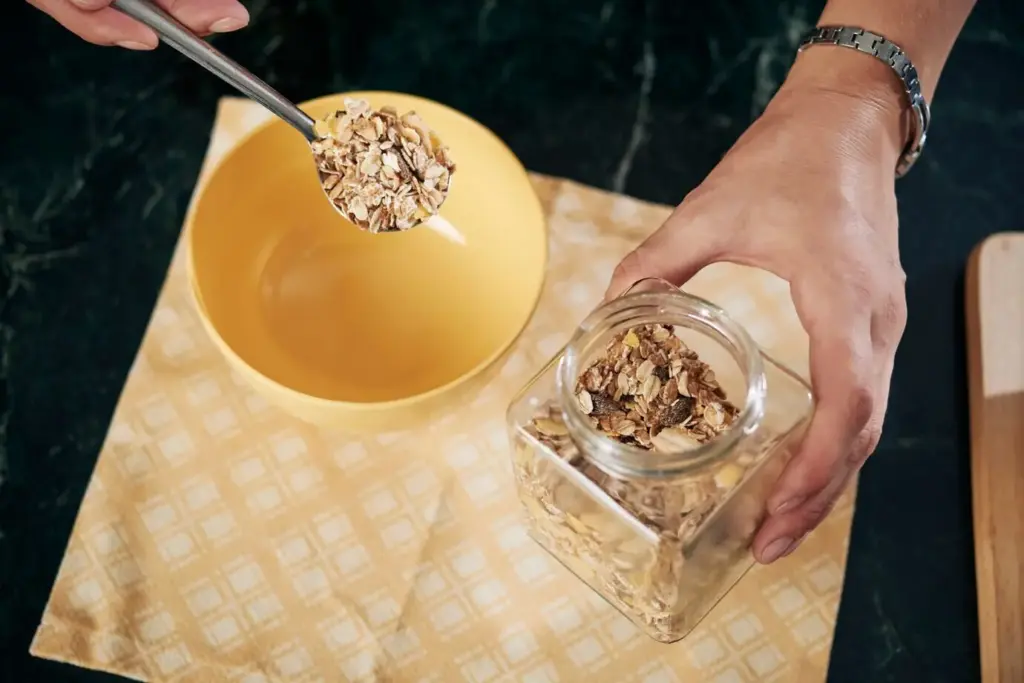
Paper and cardboard are widely recycled, especially when clean and uncoated. Glossy or wet-strength coatings, plastic windows, and PE or foil liners can reduce acceptance. Remove food scraps, flatten boxes, and keep paper dry to protect fiber quality. Look for clear labels that indicate recycled content and responsible forestry, like FSC. If a bag has a thin plastic liner, check for component-level instructions or separate materials when possible. Choosing sturdy, uncoated paperboard boosts the likelihood of a successful second life.

Plastics and Pouches: Single Layers, Multilayers, and Store Drop-Off
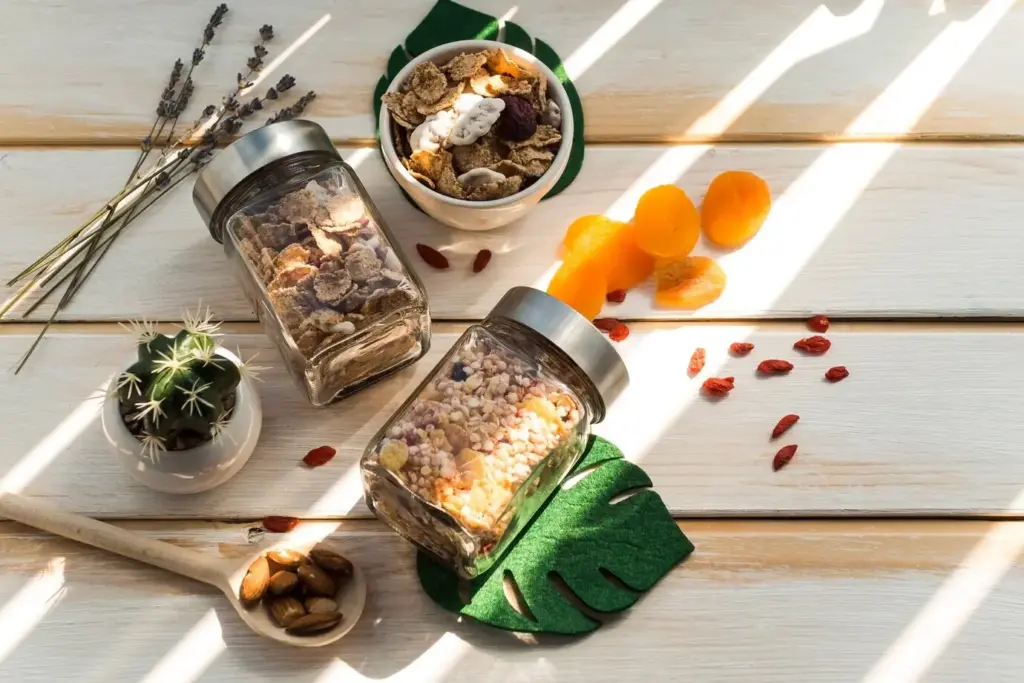
Rigid plastics like PET and HDPE are commonly accepted, while multilayer pouches and films remain challenging. Many flexible packages combine materials for barrier performance, which complicates recycling. Some stores offer drop-off for clean polyethylene films such as bread bags and overwraps, but not food-soiled or crinkly multilayers. How2Recycle often flags these differences. When possible, choose single-material packages with clear resin identification and simple preparation steps. If you rely on pouches to prevent food waste, balance choices by maximizing reuse and correct disposal.

Glass, Aluminum, and Steel: High-Value Recyclables Done Right

Glass and metals hold value in recycling systems, with aluminum often leading in closed-loop performance. Rinse lightly, keep caps according to local rules, and do not shatter glass intentionally. Beverage cans and many steel cans are widely accepted, and metal’s durability supports repeated cycles. Glass jars can be reused for storage, fermenting, or leftovers before you recycle. If a label suggests cap on or cap off, follow it to support sorting. Simple habits here deliver reliable, long-term benefits for material recovery.

End-of-Life Realities and Preparation

Understanding Widely Recycled versus Check Locally in Practice

Widely recycled suggests broad acceptance across many communities, but it still depends on your program’s list. Check locally means your facility may or may not take that item, so verify details before tossing. Some labels also indicate changes on the horizon, like not yet recycled while pilots expand. Treat these phrases as signposts rather than guarantees. A quick visit to your city’s current guidance lowers contamination, prevents fines, and ensures clean, marketable bales that actually become new products.

Rinsing, Caps, Labels, and Contamination: Simple Prep that Helps

Widely recycled suggests broad acceptance across many communities, but it still depends on your program’s list. Check locally means your facility may or may not take that item, so verify details before tossing. Some labels also indicate changes on the horizon, like not yet recycled while pilots expand. Treat these phrases as signposts rather than guarantees. A quick visit to your city’s current guidance lowers contamination, prevents fines, and ensures clean, marketable bales that actually become new products.

When Reuse Wins: Jars, Refills, and Return Programs

Widely recycled suggests broad acceptance across many communities, but it still depends on your program’s list. Check locally means your facility may or may not take that item, so verify details before tossing. Some labels also indicate changes on the horizon, like not yet recycled while pilots expand. Treat these phrases as signposts rather than guarantees. A quick visit to your city’s current guidance lowers contamination, prevents fines, and ensures clean, marketable bales that actually become new products.

A 10-Second Label Triage for Busy Aisles

Start by spotting credible instructions such as How2Recycle or OPRL, then scan for recycled content percentages and single-material construction. Prefer widely accepted materials like PET, HDPE, aluminum, or clean paperboard. Avoid vague claims and complicated multilayers unless they meaningfully prevent food waste. Check whether films can go to store drop-off and whether caps should be replaced. With practice, this momentum becomes automatic, helping you stay focused on ingredients, nutrition, and budget while still keeping packaging choices aligned with your values.

Reducing Food Waste while Choosing Better Packaging

Sometimes packaging that looks less recyclable can extend shelf life and prevent spoiled food, which often carries higher environmental costs than the container. For example, a thin wrap on cucumbers can reduce dehydration and damage. Evaluate your household habits honestly, choose sizes you will finish, and store food properly. When packaging truly protects freshness and prevents waste, balance the decision by favoring higher recycled content or reuse elsewhere in your cart. Thoughtful trade-offs lead to better outcomes over the full lifecycle.

Building Your Personal Packaging Principles

Create three or four rules you can keep even on rushed errands. Examples include prefer materials accepted in my curbside program, choose the highest post-consumer recycled content available, avoid unnecessary multipacks, and bring containers for refills when possible. Add one stretch goal each month, such as trying a store drop-off film stream or contacting a brand about clearer labels. Consistency beats perfection. Share your principles with our community, learn from others, and refine your list as local options evolve.

Spotting Greenwashing and Asking Better Questions

Sustainability language can be fuzzy. Learn to recognize when friendly leaves and soft words mask weak evidence, and train yourself to ask for specifics. Real progress includes measurable recycled content, transparent sourcing, component-level disposal instructions, and credible third-party validation. You will see how to evaluate carbon and lifecycle claims, identify misleading biodegradable messaging, and read beyond a single logo. Use these skills to reward brands doing the difficult work, and kindly challenge those leaning too heavily on marketing gloss.
Mexifonurerenilivo
Privacy Overview

This website uses cookies so that we can provide you with the best user experience possible. Cookie information is stored in your browser and performs functions such as recognising you when you return to our website and helping our team to understand which sections of the website you find most interesting and useful.