Pantry Calm, Lasting Freshness

Today we dive into plastic-free storage solutions for dry goods, celebrating glass, metal, ceramic, cork, paper, and cloth as practical allies. Expect actionable ideas, gentle science, and real-life stories that make every jar feel purposeful. Together we will build a pantry that looks beautiful, stays organized, keeps food deliciously safe, and invites mindful habits that reduce waste, save money, and spark conversations at the table.

Freshness Without Plastic: How It Protects Flavor and Nutrition
Dry grains, beans, flours, nuts, seeds, and spices keep better when stored in stable, non-reactive materials that resist odors and do not shed micro-particles. Glass, stainless steel, and glazed ceramic create honest barriers against air, moisture, and pests. The result is cleaner flavor, longer shelf life, and an organized, dignified pantry that supports calm cooking habits and confident planning throughout busy weeks.

Airtightness That Actually Works

A tight seal keeps oxygen, humidity, and pantry moths out, while preserving the delicate volatile compounds in coffee beans, spices, and milled flours. Clip-top glass with natural rubber gaskets, twist-off glass lids, stainless steel canisters, and cork-stopped jars all maintain dependable closures. Store jars away from heat and direct sun, and you will notice fewer off odors, less staleness, and better texture in everything from oats to pistachios.

No Odor Transfer, No Mystery Tastes

Non-porous glass and high-quality stainless steel do not hold onto lingering aromas, which means cumin will not whisper into cocoa, and rye flour will not taste like last month’s garlic. Simple cleaning, adequate drying, and occasional airing on a sunny windowsill protect purity. When scents stay in their lane, baking outcomes improve, morning oatmeal brightens, and spice blends remain vivid without becoming muddled or dull.

Choosing Materials: Glass, Steel, Ceramic, Cork, and Cloth

Each material brings its own strengths for protecting dry goods while avoiding plastic altogether. Glass offers transparency and neutrality, stainless steel excels at durability and light blocking, ceramic creates stable, cool conditions, cork provides renewable, natural sealing, and cotton or linen bags support bulk refilling. Blending materials allows you to tailor solutions for beans, flours, spice refills, loose tea, and delicate nuts.

Right-Sizing and Shelf Harmony

Select container sizes that match how quickly you actually cook through staples. Large jars suit rice, oats, or flour, while petite jars protect potent spices from going stale. Standardized shapes prevent wasted space, and uniform lid diameters simplify cleaning, sealing, and labeling. This intentional approach creates a harmonious, satisfying pantry rhythm where every container earns its shelf and every grain has a welcoming, sensible home.
Choosing containers with consistent mouth sizes lets one funnel work for everything, reducing spills and mess. Wide mouths make scooping easier and minimize contact with hands, which helps preserve quality. During bulk refills, matching lids and rings speed the process, turning pantry maintenance into a quick, almost meditative routine that keeps your shelves accurate, attractive, and ready for spontaneous cooking projects.
Flat-lidded jars and straight-sided canisters stack confidently, creating vertical storage without wobble. Use shelf risers to maximize depth and maintain visibility. Avoid risky towers by keeping heavy grains lower and lighter items higher. This balance protects containers, prevents accidental chips, and gives you the everyday pleasure of tidy lines, easy access, and a pantry that feels effortlessly organized even on your busiest weeknights.
If you bake daily, a generous flour jar makes sense; if you season sparingly, a tiny spice jar keeps aromas vibrant. Right-sizing reduces staleness and frees budget for better ingredients. The quiet discipline of sizing to habits prevents forgotten stock, encourages creative cooking from your shelves, and transforms refills into satisfying rituals rather than chores you postpone for another crowded weekend.

Bulk-Bin Confidence and Waste-Free Refills
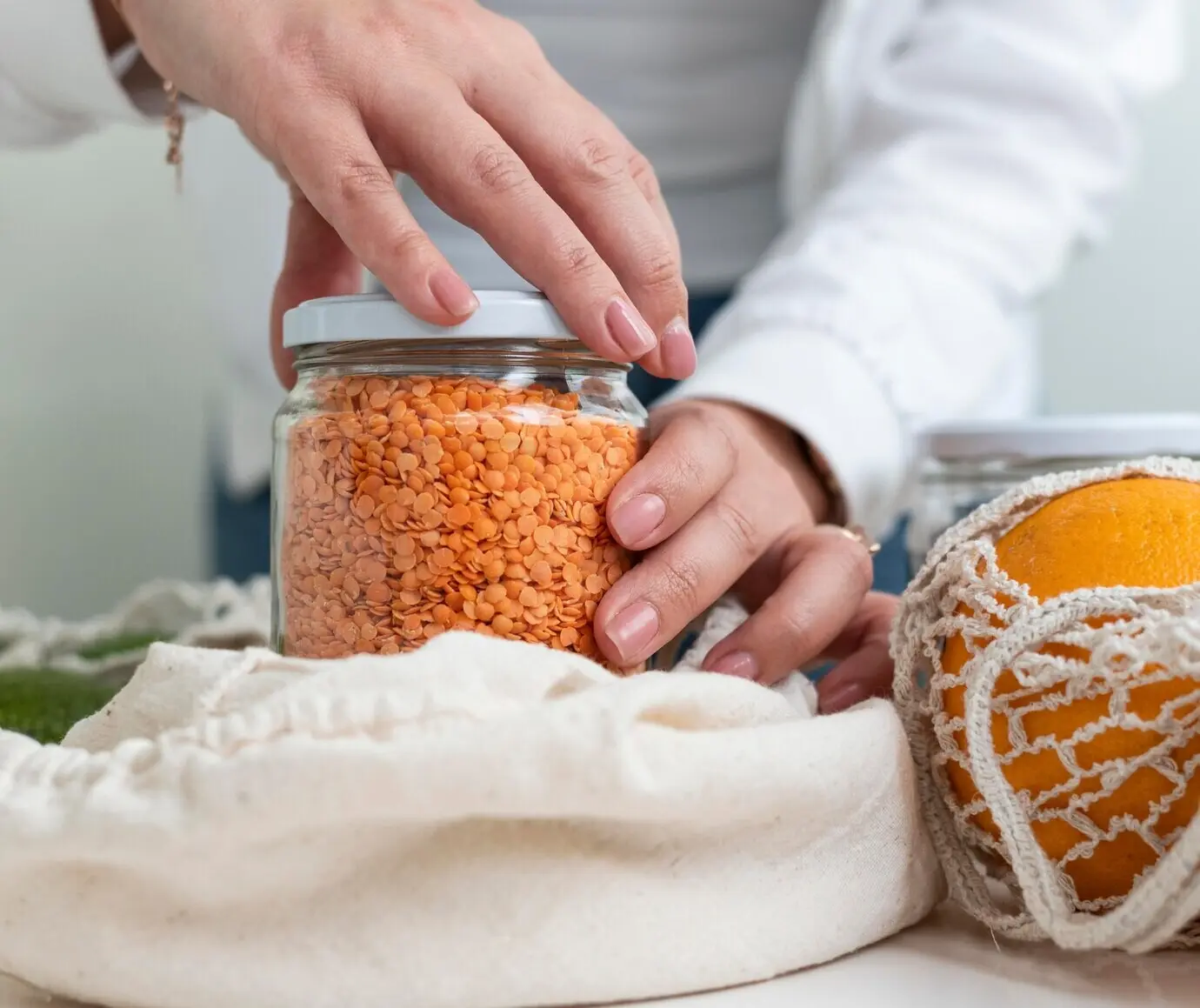
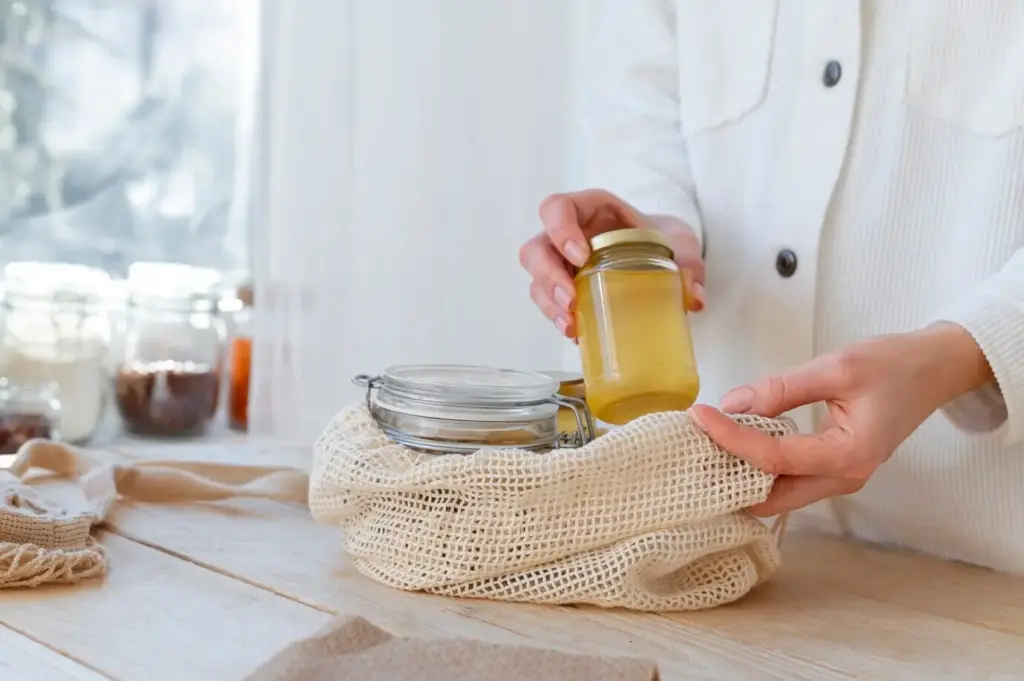
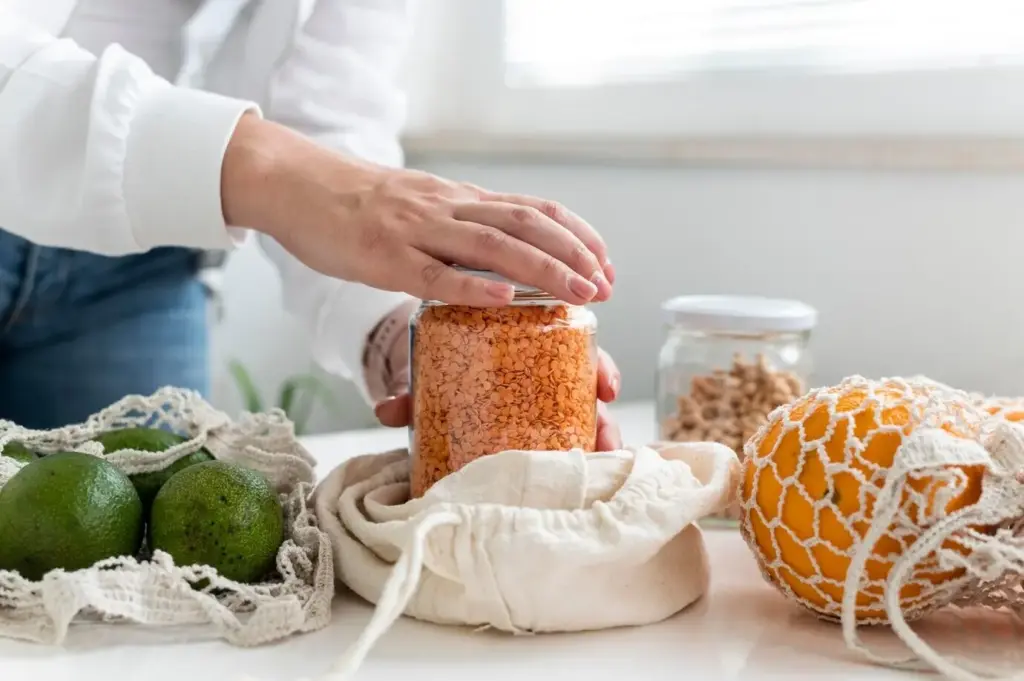
Bring clean cloth bags or paper sacks to bulk aisles, record tare weights clearly, and refill only what you will realistically use. Transfer at home into airtight glass, steel, or ceramic containers, then label with ingredient and date. This cycle cuts packaging, preserves quality, and supports local stores that prioritize low-waste systems. Over months, the routine feels natural, joyful, and financially sensible.
Pre-weigh containers or bring lightweight cloth bags and note each tare with a grease pencil, chalk marker, or small paper tag. Clear labeling speeds checkout, prevents confusion at home, and keeps your pantry accurate. Write the product code, supplier, and date, then transfer with a funnel to avoid spills, protecting freshness while keeping countertops and bags clean, crisp, and pleasantly orderly after every refill.
Wash containers with hot soapy water, rinse thoroughly, and air-dry completely before filling. Dedicated funnels and scoops minimize contact and cross-aroma issues, especially with strong spices. Avoid dampness that can clump flour or introduce mold. Simple routines yield consistent quality, fewer surprises, and a reliable base for weeknight cooking where you always know what you have, how long it will last, and how it tastes.
Say hello, ask about turnover rates, and learn restock schedules. High turnover means fresher grains and beans, improving texture and flavor. Share your container approach and request ingredient details when needed. These conversations strengthen community, surface seasonal finds, and help you discover new staples, turning refills into friendly rituals that keep your kitchen lively, responsible, and delightfully connected to people who care about quality.

Moisture, Pests, and Light: Quiet Guardians of Quality
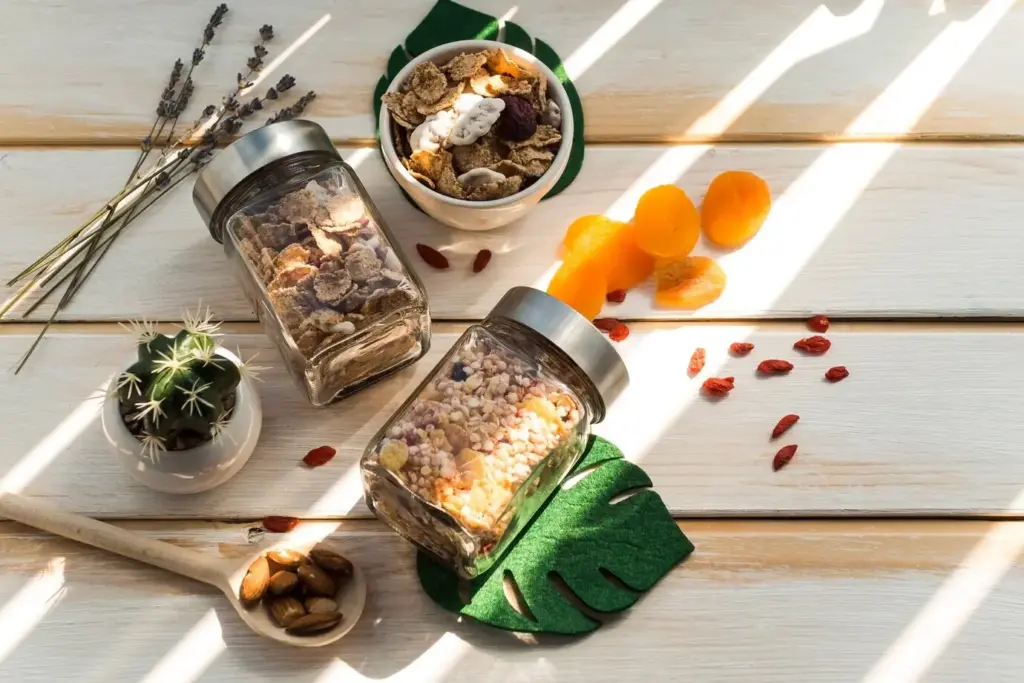
Natural Moisture Management
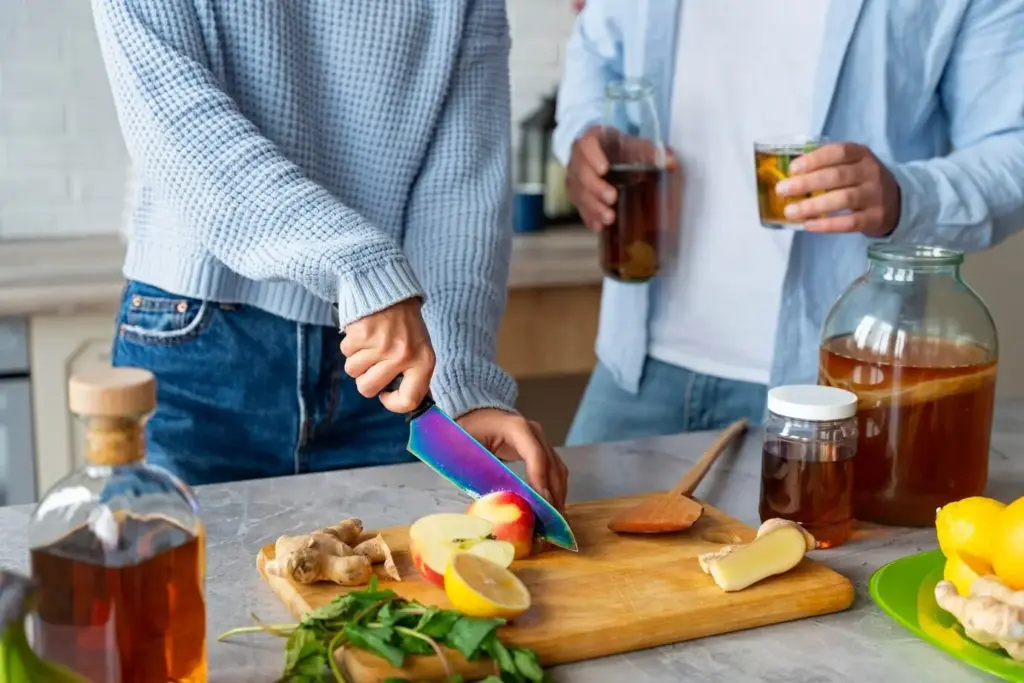
A thoroughly dry container is your first defense. For persistent humidity, add a cloth sachet of oven-dried rice or a purpose-made clay stone that absorbs dampness and can be re-baked to refresh. Keep lids sealed between uses, avoid stacking warm jars from the dishwasher, and rotate contents regularly. With steadiness and patience, clumping fades, texture improves, and baking behaves predictably again.

Gentle Pest Deterrence Without Harsh Chemicals
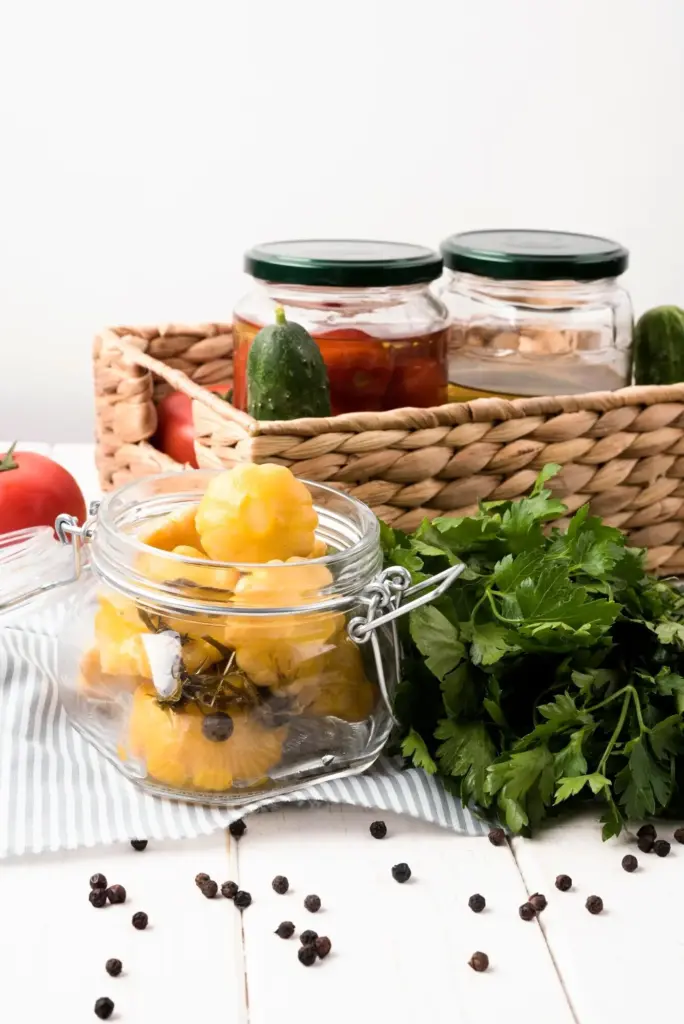
Airtightness matters most, followed by cleanliness and timely rotation. Bay leaves in bean jars can help, as can briefly freezing newly purchased grains to interrupt hidden pest cycles. Wipe shelves, check for webbing, and quarantine suspicious packages. These humble steps, repeated calmly, keep infestations rare and confidence high, allowing you to refill and cook without fear or the need for synthetic, disposable interventions.

Shielding from Light and Heat

Spices, nuts, and whole grains hold their character longer when light and heat are limited. Use amber glass, stainless steel, or deep cupboards away from ovens and sunny windows. Even a simple curtain or pantry door makes a difference. This attention preserves vibrant aromas, prevents oil rancidity, and protects delicate nutrients, so your food tastes honest, lively, and reliably comforting day after day.

Cleaning, Odors, and Longevity of Your Containers

Care routines determine how long your storage system serves you beautifully. Wash with warm soapy water, rinse completely, and dry upside down until every droplet is gone. For lingering smells, try a baking-soda soak or a vinegar rinse. Sunlight can help refresh glass and lids. Replace worn gaskets, inspect cork for cracks, and retire chipped containers to non-food roles to keep your pantry truly safe.
Schedule a quick rotation: wipe shelves, consolidate duplicate jars, and bring older stock forward. Empty the last handfuls of nuts or flour into a smaller jar to maintain volume efficiency. Clean funnels and scoops, check for moisture rings under lids, and confirm labels match contents. These small actions prevent surprises, protect flavor, and make restocking feel calm rather than chaotic.
To remove stubborn aromas, soak glass with warm water and baking soda, then rinse and air-dry in sunlight. A brief vinegar rinse can neutralize odors without residue. Avoid strongly scented soaps that cling to porous materials. For cork stoppers, keep moisture minimal and allow complete drying between uses. Good airflow, patience, and gentle agents bring containers back to neutral, ready for the next refill.

Labels, Dates, and a Pantry That Tells a Story

Clear labels transform shelves into an intuitive map. Use grease pencils, water-soluble markers, or paper tape that peels cleanly from glass and steel. Note ingredient, origin, and date, then rotate with a first-in-first-out rhythm. This simple narrative preserves freshness, prevents allergy mishaps, and captures seasonality, making everyday cooking faster, kinder, and more expressive of what you value at home.

Upcycling and Budget-Savvy Choices

A resilient system does not require luxury containers. Rinse and save straight-sided glass jars from sauces or olives, source corks that fit, and watch thrift stores for ceramic crocks or steel tins. Check for chips and safe glazes, then gradually standardize. Over time, thoughtful upgrades paired with patient upcycling deliver strong seals, easy cleaning, and shelves that feel coherent without expensive, wasteful overhauls.

Repurpose With Intention

Choose jars with wide mouths for scooping and consistent lid sizes for convenience. Remove labels with a baking soda and oil paste, then wash and air-dry completely. Fit corks or metal lids snugly, and reserve imperfect jars for non-food storage. Upcycling reduces cost and packaging while creating charming continuity that tells the story of your kitchen and the care you bring to everyday meals.

Thrift Smarter, Not Harder

Secondhand shops often hide treasures: enamel tins, vintage crocks, and sturdy glass. Inspect carefully for hairline cracks, rust at seams, and unverified glazes. Ask vendors about provenance when possible. A small magnifying flashlight helps reveal flaws. Patience pays off with containers that last decades, integrating beautifully into your system and giving ingredients a safe, handsome home you genuinely enjoy using daily.
Mexifonurerenilivo
Privacy Overview

This website uses cookies so that we can provide you with the best user experience possible. Cookie information is stored in your browser and performs functions such as recognising you when you return to our website and helping our team to understand which sections of the website you find most interesting and useful.