Stock Up, Waste Less: Your Pantry’s Fresh Start
Today we dive into Plastic-Free Pantry Picks—practical swaps, storage habits, and sourcing tips that remove unnecessary packaging from daily staples without shrinking joy or flavor. You’ll find clear starting steps, heartfelt stories from readers, and proven techniques for buying, cooking, and organizing with confidence. Bring curiosity, a few jars, and a willingness to experiment, and let’s turn small changes into a kitchen that saves money, reduces waste, and tastes better every single week.

Bulk Bin Confidence

Walk up with clean, dry containers labeled with their empty weights, and ask staff how they process tares. Scoop gently to avoid cross-contamination, especially with allergens, and write the bin code clearly on your jar or tag. If you are unsure about hygiene practices, observe refill etiquette and request a fresh scoop or assistance. This tiny courage builds a routine that soon feels second nature.

Label Sleuthing

Even when an item looks sustainable, packaging can hide plastic linings or coatings, especially in paper bags for snacks, coffee, or baking mixes. Look for clear material disclosures, ask whether bags are compostable, and beware vague claims like biodegradable without conditions. Avoid film windows, check recycling codes, and prioritize suppliers who publish details about adhesives, inks, and barrier layers. Curiosity saves waste and disappointment.

First-Week Starter List

Choose forgiving, versatile items with long shelf lives: rolled oats, short-grain rice, chickpeas, red lentils, popcorn kernels, fine salt, baking soda, cinnamon sticks, and a neutral oil in returnable glass. These cover breakfast, soups, curries, snacks, and simple baking. Keep plans flexible, track portions to avoid overbuying, and celebrate each empty wrapper avoided. Momentum grows when your meals taste great and your bin stays light.

Containers That Actually Work

Glass Jars, Real Workhorses

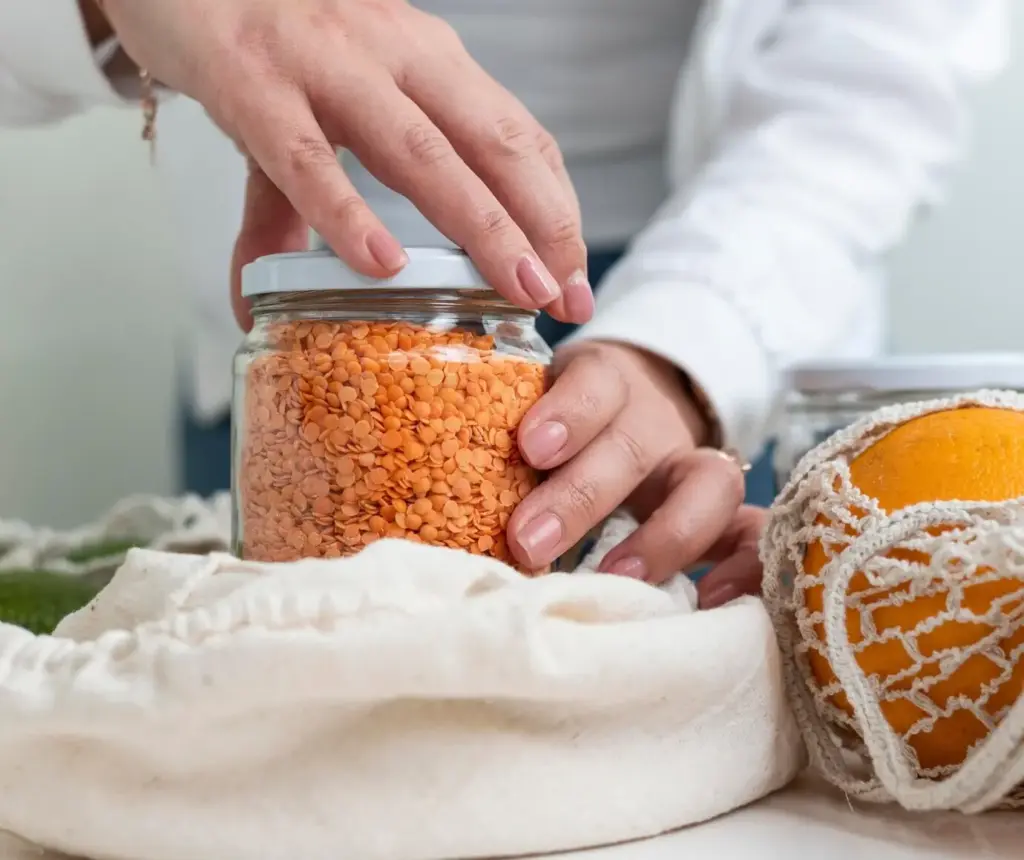
Wide-mouth jars simplify refilling, pouring, and cleaning. Reuse old jars, remove labels with warm water and a little oil, and store dry goods in clear view to prevent duplicates. For freezing soups or cooked beans, leave headspace and choose straight-sided shapes to reduce cracking risk. Replace cracked lids promptly to maintain airtight confidence, and keep a small funnel nearby to make transfers neat and fast.

Metal and Paper Allies

Tins protect tea, coffee, and spices from light while saving space. Watch for interior coatings to prevent rust and verify food-safe linings. For flour or oats, park a paper bag inside a rigid bin to stabilize and limit moisture exposure. Avoid damp cupboards, label the outside clearly, and rotate contents regularly. With thoughtful care, these affordable allies balance durability, freshness, and a pleasing, uncluttered look.

Silicone and Cloth Helpers

Food-grade silicone pouches excel for snacks, frozen fruit, and marinating, then wash easily by hand or dishwasher. Hang them wide open to dry fully, preventing residual odors. Pair with breathable cotton or hemp produce bags for greens and bread, remembering tare weights before checkout. Beeswax wraps keep cut produce fresh and reusable for months; refresh them gently with low heat when they start losing grip.

Breakfast That Skips Wrappers

Overnight oats, stovetop porridge, and homemade granola turn bulk oats, seeds, and spices into hearty mornings. Fresh-ground nut butter from a co-op grinder avoids plastic tubs and tastes brighter. Sweeten with local honey or date paste, portion into jars, and stack for grab-and-go efficiency. A single weekend hour can produce a week of nourishing breakfasts, proving convenience and low waste can happily coexist.

Lunch Jar Magic

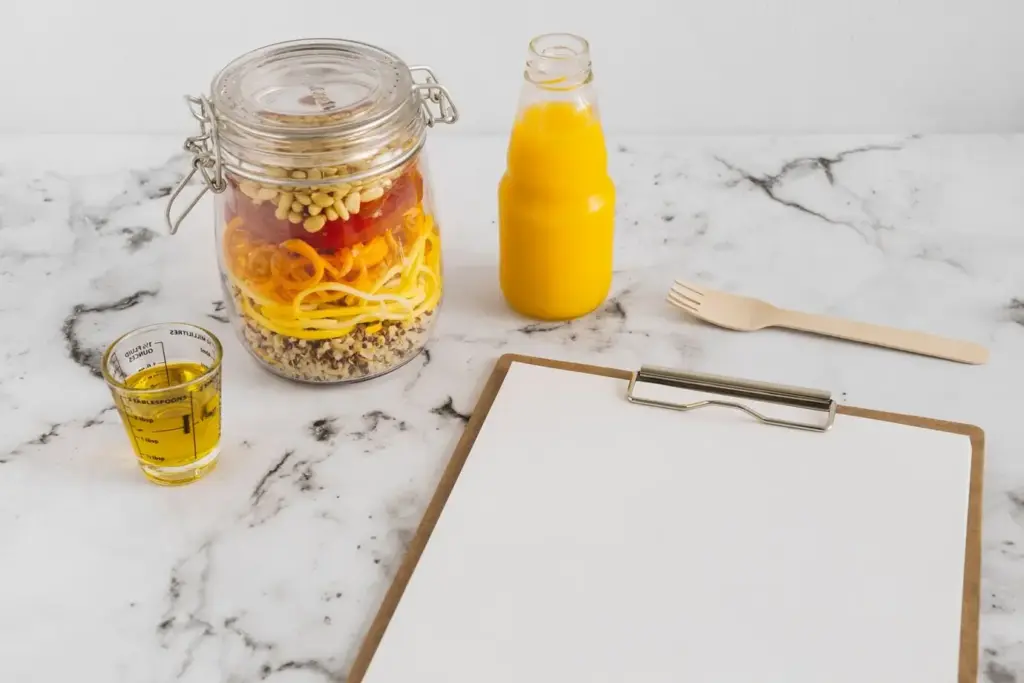
Layer cooked grains, beans, crunchy vegetables, herbs, and a simple vinaigrette in a wide-mouth jar for travel-friendly lunches. Soups frozen in jars reheat beautifully if you defrost overnight. Pack cloth napkins and a lightweight fork to skip disposables. Rotate textures—creamy, crisp, tangy—to keep things exciting. You’ll notice less lunchtime spending, fewer impulse snacks, and a satisfying rhythm that supports both health and planet.

Sourcing and Community

Great suppliers and supportive neighbors make sustainable routines stick. Explore refill stores, health-food co-ops, farmers markets, and online bulk options that ship in paper or reusable glass. Call ahead, ask about container policies, and coordinate rides or group orders to save time and money. Share discoveries on local forums, and map favorites so others benefit. Collective knowledge shortens learning curves and strengthens resilient, friendly food networks.

Moisture And Odor Control

Store away from dishwashers and ovens to reduce steam exposure. Use airtight lids with intact gaskets, and avoid perfumed cabinets that can pass unwanted aromas to grains and teas. Baking soda in a nearby open jar helps neutralize ambient odors, not inside your food containers. For spices, buy modest quantities, grind small batches, and choose opaque tins. These practices preserve vibrancy without relying on disposable plastic barriers.

Pest Prevention Without Plastic

Wipe shelves regularly, decant new items into jars quickly, and keep crumbs from accumulating in corners. For flours and grains, a short freezer stint before storage helps interrupt potential pests. Pantry moth traps can monitor problems without contaminating food. Check seals after each wash, and avoid overfilling containers that prevent proper closure. A steady, calm routine beats frantic cleanups and keeps ingredients reliably ready for cooking.

Date, Rotate, Celebrate

Label jars on the side and lid with purchase dates using a washable marker. Arrange shelves so the oldest jars live front and center, making first-in, first-out effortless. Schedule a monthly ten-minute audit to combine duplicates, refresh tired spices, and note low items before shopping. Track successes—like fewer stale nuts or melted chocolate disasters—and celebrate with something cozy. Ritual turns care into confidence.

Money and Time: The Real Math

Upfront container costs can feel intimidating, but they amortize quickly when bulk staples and better planning reduce weekly expenses. Track actual numbers for three months—spend, waste avoided, meals cooked—to understand payback. Time also improves: batching, predictable shopping windows, and streamlined storage decisions lower friction. The combined effect is calmer evenings and a quieter trash bin, which feels like winning twice without sacrificing flavor or variety.

Cost Curve In Three Months

Imagine investing modestly in jars and tins, then shifting ten regular items to bulk or returnable glass. Savings accumulate through lower price-per-unit and fewer impulse buys. Spices alone can slash costs when purchased by weight. Measure weekly, and watch payback approach steadily. This transparent view keeps motivation high, supports smarter substitutions, and converts good intentions into measurable, repeatable progress you can proudly share with friends.

Time Wins From Rituals

Pick a consistent refill day, keep a running list on your fridge, and store containers near the door. Prep base ingredients—beans, rice, roasted vegetables—on slow weekend evenings. Use a simple template for weeknight bowls to reduce decision fatigue. Share tasks with housemates or kids so momentum never depends on one person. These rituals free headspace and make sustainable habits feel reliably convenient.

Your First Five Swaps

Choose five items to switch this week—popcorn kernels, oats, rice, lentils, and dish soap refills are friendly starters. Track wrappers avoided, note any hiccups, and celebrate each small success. Share before-and-after photos and tag us so we can cheer you on. When you report back, your tips help someone braver take their own first step with confidence and a smile.

Subscriber Extras You’ll Actually Use

Join our newsletter for printable pantry labels, a community bulk-source map, seasonal meal plans built from loose ingredients, and gentle reminders that keep refilling consistent. We highlight reader wins, test sustainable tools without greenwashing, and publish transparent sourcing notes. Expect practical checklists, fun challenges, and zero judgment. The aim is steady progress that respects your budget, schedule, and taste buds every single week.

Community Shoutouts And Stories

We love highlighting readers who turn everyday routines into quiet revolutions. Amina in Oakland replaced snack bars with jarred energy bites, saving money while ditching wrappers. Luís convinced his office to stock bulk tea, cutting waste and sparking conversation. Send your story, photos, and tips, and we’ll share favorites to inspire newcomers. Your journey becomes someone else’s helpful shortcut toward a lighter, tastier kitchen.

Join the Movement, Share the Map

Your experience helps others start confidently. Tell us where you source your favorite staples, which containers last, and what recipes make plastic-free living effortless. Add your city to our community-sourced bulk map, challenge friends to try five swaps, and subscribe for seasonal checklists. Together we multiply impact, encourage honest conversations, and keep refining practices that are practical, welcoming, and delicious for every household.
Mexifonurerenilivo
Privacy Overview

This website uses cookies so that we can provide you with the best user experience possible. Cookie information is stored in your browser and performs functions such as recognising you when you return to our website and helping our team to understand which sections of the website you find most interesting and useful.